
Today, let's talk about something close to my heart — short-term rentals. My career in real estate actually began in short-term rental management, so this is a world I know inside out. Done right, an Airbnb-style investment in Miami can produce wonderful returns. Done without knowing the rules, it can produce fines that wipe out your profit. So let me give you the honest, practical picture.
The golden rule: location decides everything
If you remember one thing from this post, make it this: in Miami, whether you can legally rent short-term depends entirely on where the property is. Two condos a few blocks apart can have completely different rules. The single most expensive mistake I see is someone buying a place assuming they can Airbnb it, only to discover their building or zone forbids it. We confirm this before you buy — never after.
Three layers of rules, all at once
To operate legally, you have to satisfy three different levels of government:
State of Florida — licensing and tax registration.
Miami-Dade County — vacation rental standards and taxes.
Your city (City of Miami, Miami Beach, etc.) — the strictest and most variable layer, covering zoning and local permits.
And on top of all that sits your condo association or HOA, which can have its own minimum-stay rules even when the city allows short rentals.
What you generally need to operate
A Certificate of Use and a Business Tax Receipt, confirming the property meets safety and zoning standards.
A short-term rental license from your city.
Confirmation that the zoning allows transient (short-stay) use.
Registration to collect and remit the required tourist taxes.
Where it tends to work — and where it doesn't
More flexible
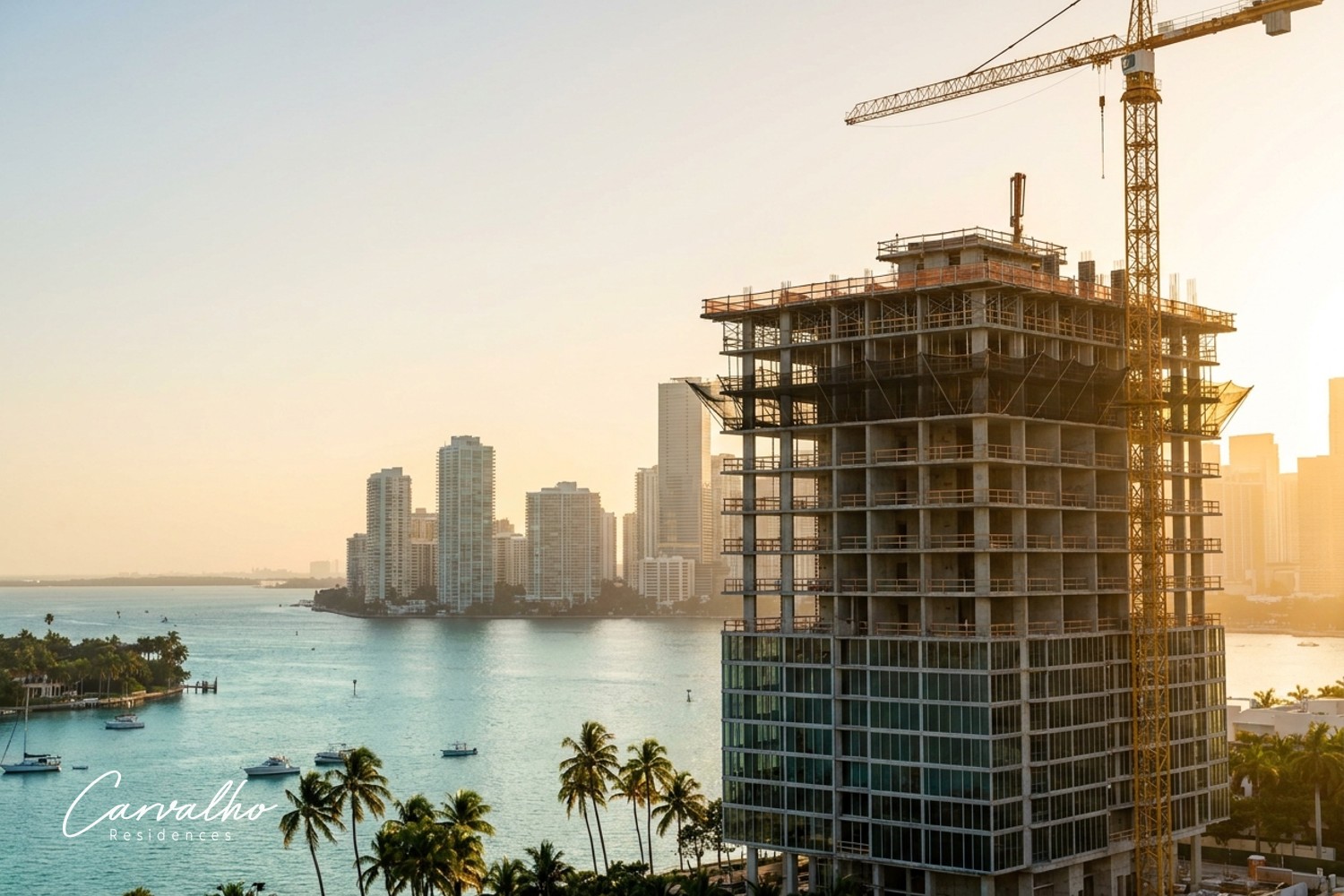
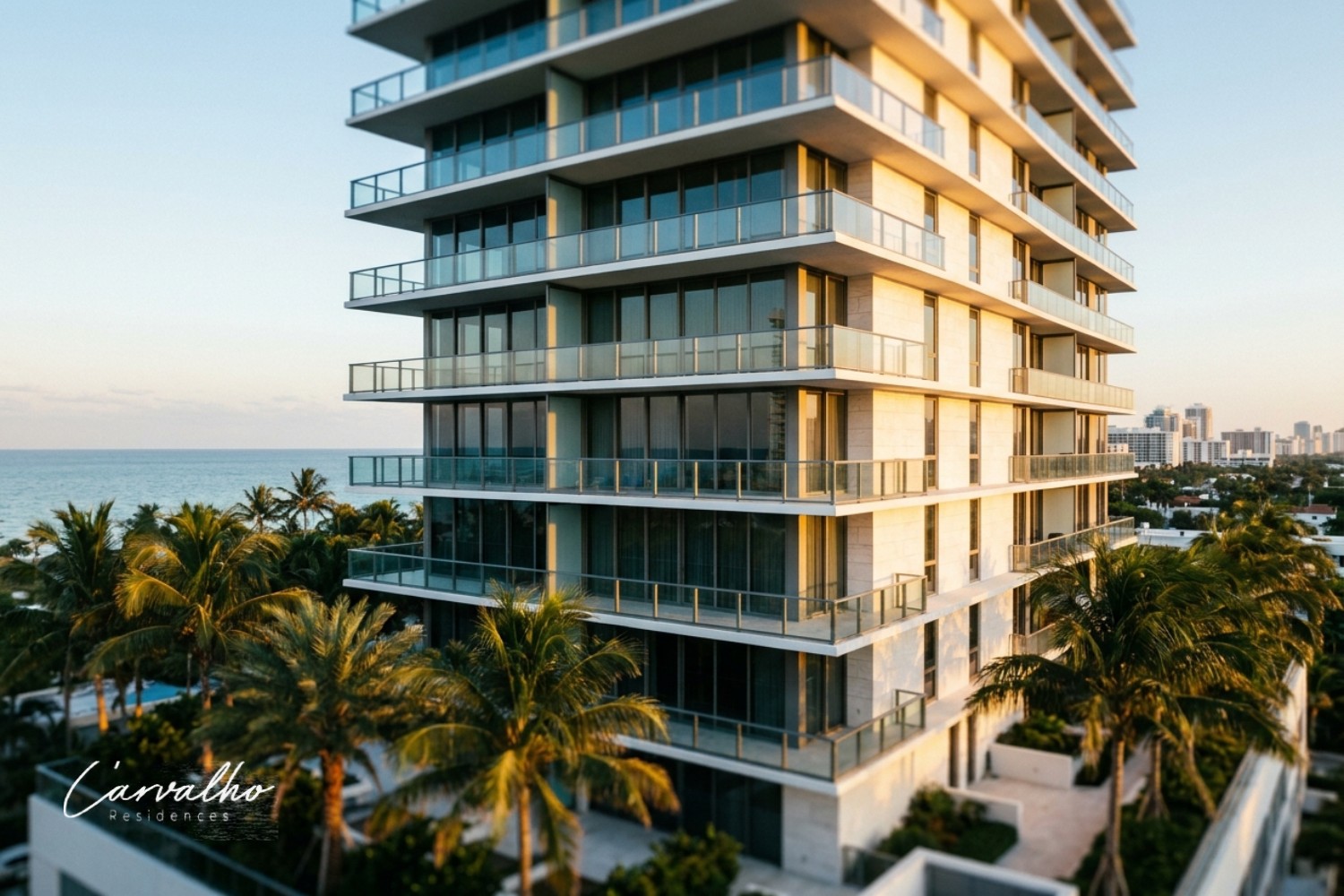
Downtown Miami and Brickell condos are where many investors focus, because high-density residential buildings there often allow short stays. Some newer towers were specifically designed for rental flexibility — names like LOFTY Brickell and 600 Miami Worldcenter come up often — and certain condo-hotels are legally structured for daily or weekly rentals.
Much stricter
Single-family homes in restrictive residential zones frequently cannot be used for short stays — courts have upheld Miami's ability to ban them in certain neighborhoods. And Miami Beach is in a league of its own: most residential zones require stays of six months and one day, and violating the short-stay rules can bring fines around $1,500 per day, with unlicensed-operator penalties climbing past $100,000. Miami Beach is not the place to improvise.
💡 Bottom line: The right building in the right zone is the entire investment. I help clients target properties where short-term rental is genuinely permitted — so your income strategy is legal and sustainable from day one.
Don't forget the taxes
Short-term rental income carries a stack of taxes you'll collect from guests and remit: a 4% City of Miami resort tax, a 3% Miami-Dade Convention Development Tax, plus state-level sales and tourist taxes. Combined, the tax load can exceed 10%. None of this kills a good deal — but it absolutely has to be in your numbers from the start, or your projected returns won't be real.
Running the numbers the right way
A short-term rental can out-earn a traditional lease, but it's a small business, not a set-and-forget investment. Real projections include cleaning and turnover, management, furnishing, higher utilities, platform fees, seasonality, and vacancy. When I model an STR for a client, we look at realistic occupancy and net income — not the rosy headline number — so you know exactly what you're getting into.
How I help
This is my home turf. I help you find properties in rental-friendly buildings and zones, pressure-test the income projections, navigate the licensing, and — because property management is literally where I started — keep the place running and earning once you own it. From "is this even allowed?" to "here's this month's revenue," I can guide the whole journey.
Want to invest in a Miami short-term rental the smart way? Let's find a property where it's actually allowed — and that the numbers truly support.
👉 Message me on WhatsApp: wa.me/17867670131 | 📊 Ask me for my Miami STR-friendly building list | ✉️ silvana@carvalhoresidences.com
Frequently Asked Questions
Is Airbnb legal in Miami?
It can be, but it depends entirely on the property's city, zoning, and building rules. You'll generally need a Certificate of Use, a Business Tax Receipt, a short-term rental license, and tax registration. Always confirm before buying.
Which Miami areas are best for short-term rentals?
Downtown Miami and Brickell condos are popular because many high-density buildings allow short stays, and some towers and condo-hotels are built for rental flexibility. Single-family homes in restrictive zones often can't be rented short-term.
Why is Miami Beach different?
Miami Beach restricts short stays in most residential zones — typically requiring six months and one day — and imposes steep fines (around $1,500 per day) for violations, so it requires extra caution.
What taxes apply to short-term rentals in Miami?
Expect a 4% City of Miami resort tax, a 3% Miami-Dade Convention Development Tax, plus state sales and tourist taxes — together often exceeding 10% of rental revenue.
Can my condo association block short-term rentals?
Yes. Even where the city allows short stays, your condo or HOA can set its own minimum-stay rules, so always check the building's bylaws.
STR rules change frequently across Florida and its cities — this is general information, not legal advice. If you're reading this later, reach out for the current rules. 🏖️