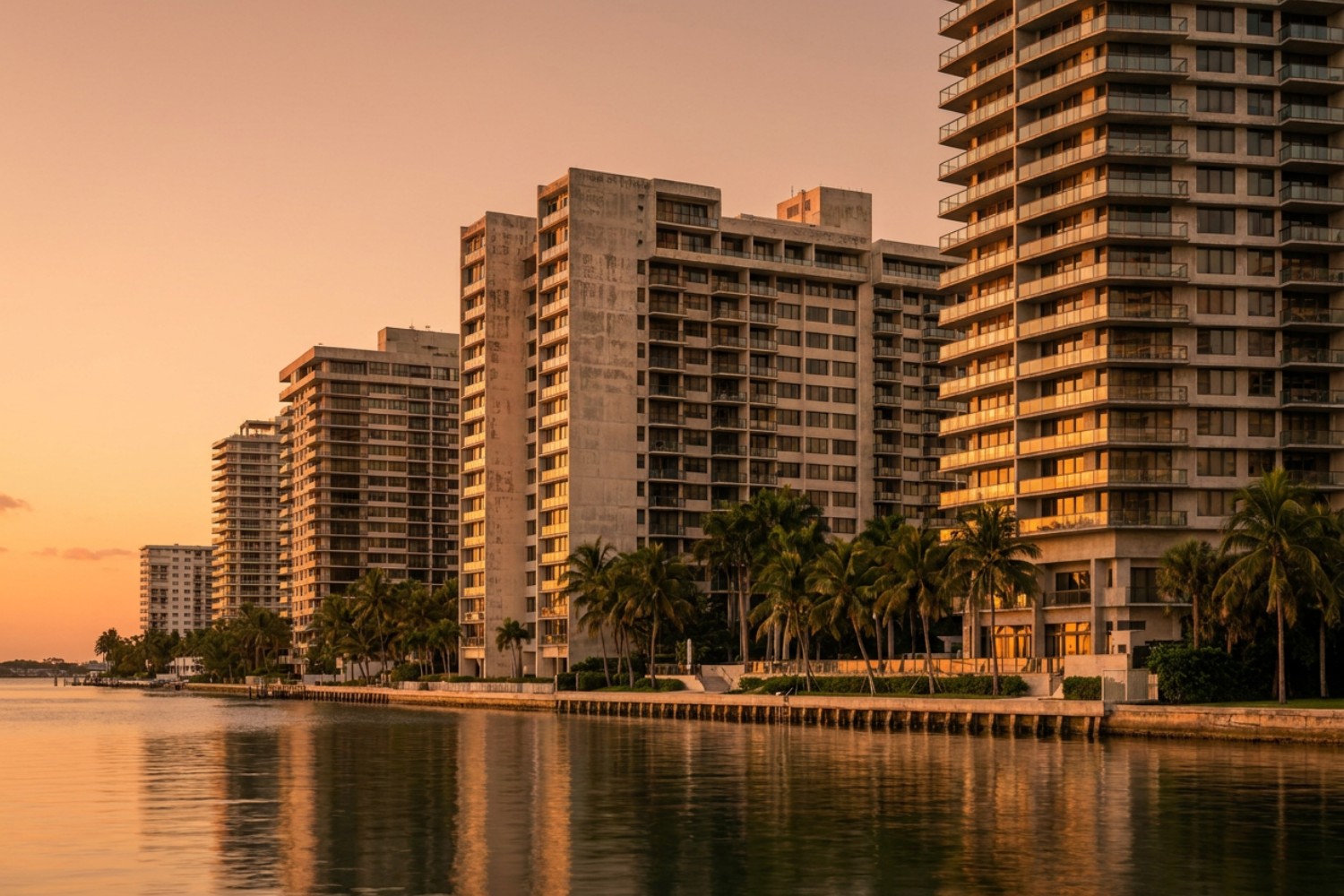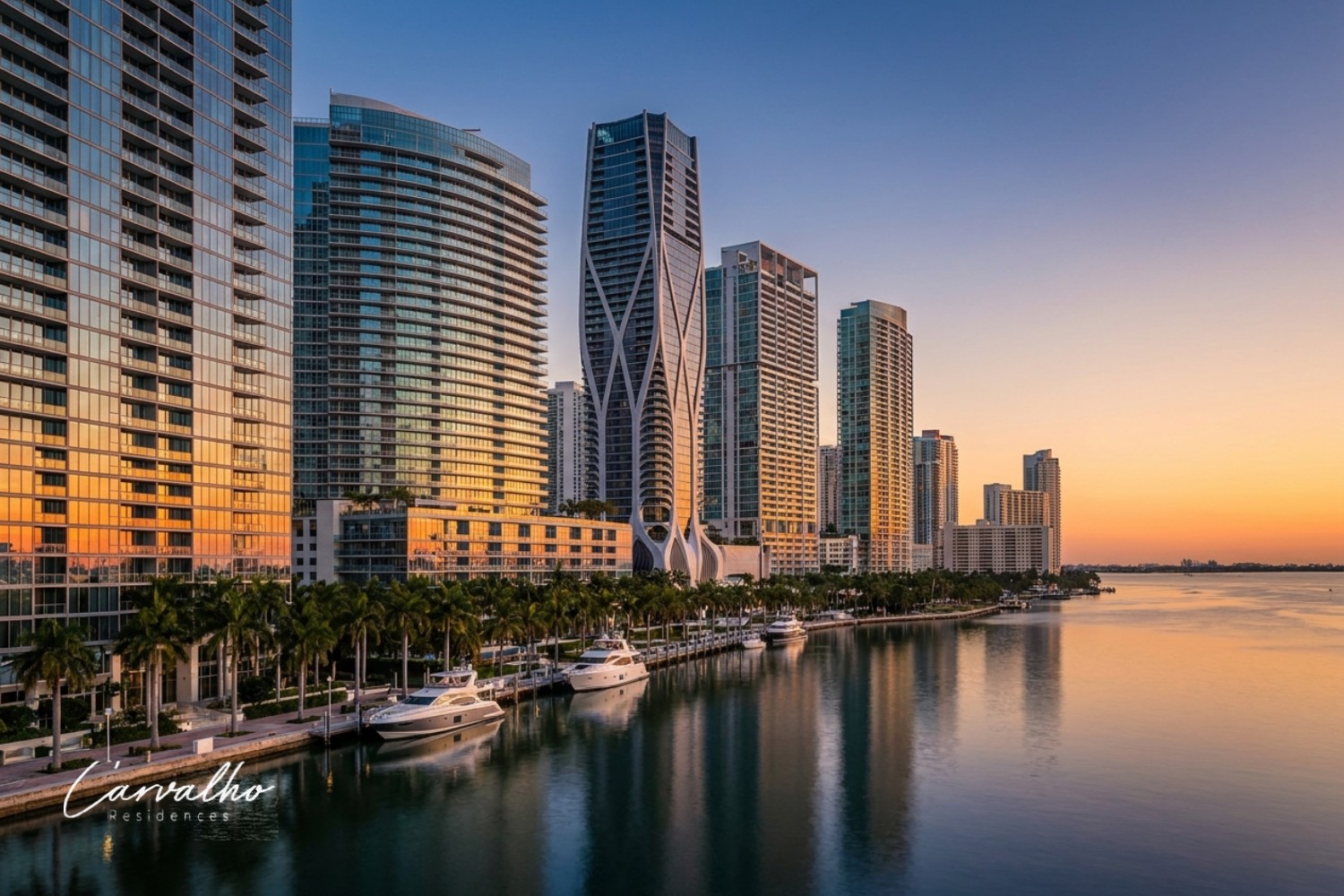
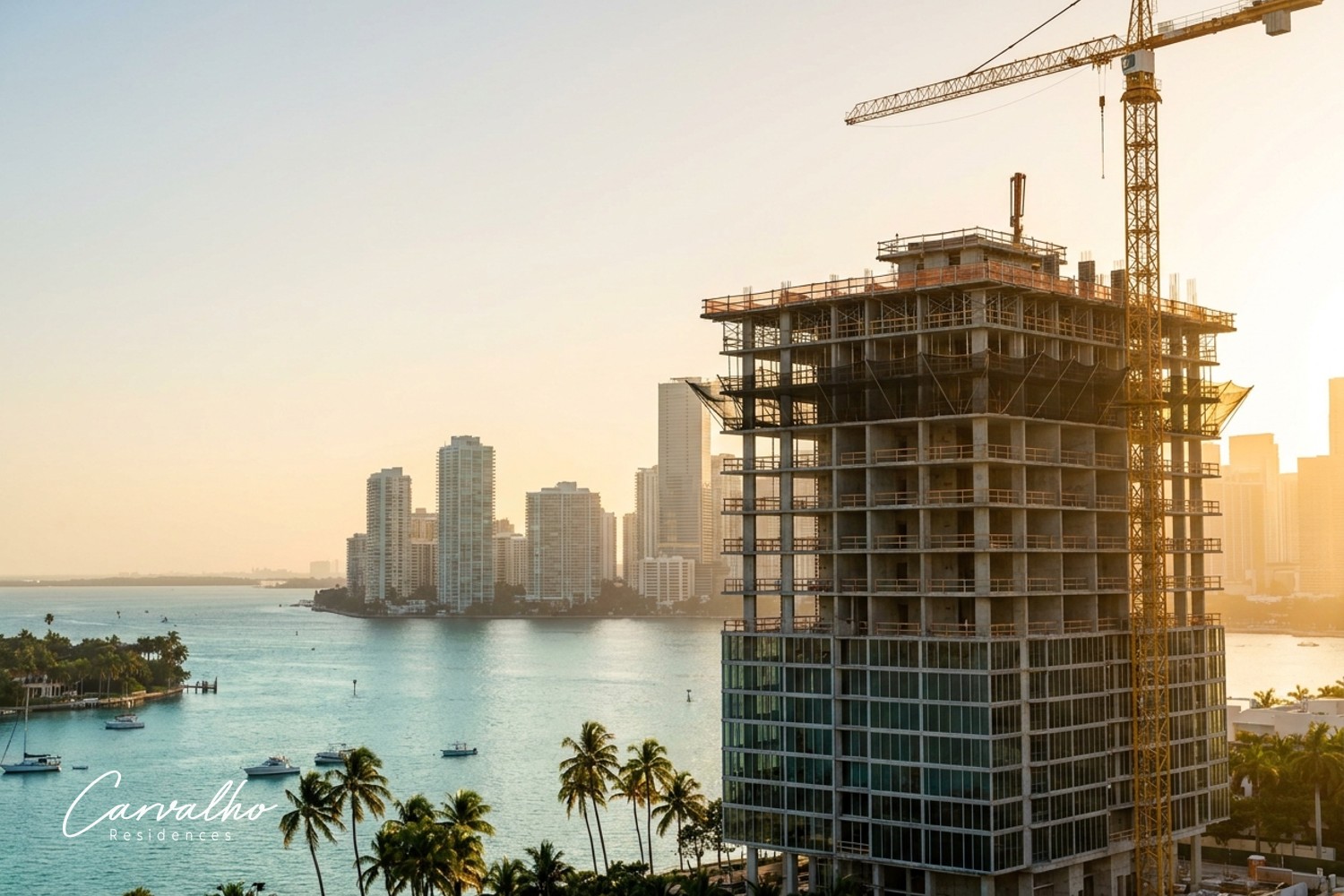
Today, let's talk about one of the most talked-about ways to get into the Miami market — buying pre-construction. If you've ever looked at a shiny new tower going up along Biscayne Bay and wondered, "Could I have bought in there before it was finished?" — the answer is yes, and it's often the smartest entry point of all.
Buying a condo before it's built can feel a little mysterious the first time around, so let me walk you through exactly how it works, what to expect at each stage, and where I'm seeing the best opportunities right now. Think of this as the conversation I'd have with you over coffee before we ever look at a floor plan.
First — what does "buying pre-construction" actually mean?
Pre-construction (we also call it "new development") simply means you're reserving a unit in a building that hasn't been completed yet — sometimes before a single shovel has hit the ground. You're buying from the developer at today's price, then paying for it gradually while the tower goes up over the next 18 to 36 months.
That timing gap is the whole magic of it. You lock in a price now, in a market that historically keeps climbing, and you don't have to come up with the full amount until the building is ready.
Why buy pre-construction in Miami?
Here's why so many of my investor and international clients love this strategy:
You lock in today's price. Miami-Dade luxury condo prices have grown at roughly 9–12% a year since 2020, and in early 2026 signed pre-construction contracts cleared 12–18% above their initial release pricing. Getting in early means buying tomorrow's building at yesterday's number.
You pay over time, not all at once. Instead of a big lump sum, your money goes in as scheduled deposits across the construction timeline — easier on cash flow and great for planning.
Everything is brand new. New finishes, new appliances, modern layouts, the latest amenities, and full builder warranties. Nothing to renovate, nothing to fix.
You often get to customize. Early buyers can frequently choose finishes, upgrade packages, and sometimes combine units.
Built-in appreciation potential. Because you bought at the first price tier, your unit can be worth meaningfully more by the time you get the keys.
Flexibility to assign. Many contracts let you sell (assign) your unit before closing — a powerful tool when the market moves in your favor.
The deposit schedule: what to expect
This is the part everyone wants to understand, so let's break it down. In Miami, luxury developers typically ask for a total of 30%–50% of the purchase price in deposits before closing, spread across milestones. A very common structure looks like this:
Reservation: a refundable deposit (often $50,000–$100,000, or 10%) to hold your unit while contracts are drawn up.
Contract signing: brings your total to about 10%–20%.
Groundbreaking: another ~10%.
Top-off / structural milestone: another ~10%.
Closing: the remaining balance (usually 50%) — payable in cash or with financing.
The exact schedule varies by building, and that's actually good news: with the right guidance there's sometimes room to negotiate the timing of payments, especially for early buyers or larger commitments. Some developers also run incentives — reduced deposits, closing-cost credits, or complimentary upgrade packages. Knowing which towers are offering what is a big part of what I do for my clients.
💡 Good to know: In Florida, your deposits don't just disappear into the developer's pocket. State law requires buyer deposits to be held in a protected escrow account — so your money is safeguarded while the building is under construction.
The step-by-step process
1. Reserve your unit
We review the developer's availability, pick the right line and floor for your goals, and submit a reservation form with your reservation deposit. This holds the unit while the developer's attorneys prepare your purchase agreement. Reservation to signed contract usually takes 2–4 weeks.
2. Sign the contract — and use your review window
You (and ideally your own attorney) review the purchase agreement. Florida gives pre-construction buyers a 15-day rescission period after signing and receiving the documents — a window to cancel and get your deposit back, no questions asked. I always encourage clients to use this time to read everything carefully. Thanks to Florida's HB 913, which took effect July 1, 2025, developers now have to provide even more detailed disclosures and stronger deposit protections than before. Great news for buyers.
3. Make your deposits as the building rises
Over the next 18–36 months, you pay the scheduled installments at each milestone. I keep my clients informed at every step so there are no surprises.
4. Close and get your keys
When the building reaches completion, you pay the balance — in cash or with a mortgage — and the unit is yours. If you plan to finance, this is the moment to have your lender lined up well in advance, because you're qualifying based on the market at closing, not the day you signed.
What about the risks? (And how I help you manage them)
I'd never tell you pre-construction is risk-free — no smart investment is. Here's what to keep an eye on, and how we plan around it:
Construction delays. Timelines can slip. We build flexibility into your plan and only work with developers who have a strong delivery track record.
Market shifts. Prices can move during the build. The longer runway is usually an advantage in Miami, but we go in with realistic expectations.
Financing at closing. Rates and lending rules can change over two to three years. We line up financing strategy early.
Developer quality. Not all builders are equal. This is the single biggest reason to have someone who knows the players — vetting the developer is half the job.
Where I'm seeing opportunity in 2026
Miami's new-development pipeline is genuinely exciting right now. A few areas I'm watching:
Edgewater — the value play. Waterfront pre-construction here runs roughly $800–$1,100 per square foot, a 25%–35% discount to neighboring Brickell, with standouts like Villa Miami, EDITION Residences Edgewater, The Edge, and the next phase of Aria Reserve. (Edgewater is close to my heart — I lived there for four years.)
Brickell — ultra-luxury and branded living. Towers like 619 Brickell (designed by Foster + Partners) and the wellness-focused SIRO Brickell are redefining the skyline for globally mobile buyers.
Coconut Grove — boutique and bayfront. Smaller, design-forward projects such as VITA at Grove Isle, OPUS, and Mr. C Residences offer rarity and privacy.
Branded residences and waterfront units continue to command the strongest premiums — and the strongest long-term demand.
So… is pre-construction right for you?
If you have a 2–3 year horizon, want a brand-new home or a strong investment with built-in appreciation potential, and like the idea of paying over time rather than all at once, pre-construction deserves a serious look. It's one of the most powerful ways to build a Miami real estate portfolio — and it's exactly the kind of strategy I love helping clients navigate from acquisition all the way through closing (and beyond, if you want it managed and rented).
Ready to explore your options? I always have the freshest inventory, the current incentives, and the inside track on which developers are delivering. Let's find the right project for your goals.
👉 Message me directly on WhatsApp | 📊 Ask me for the latest 2026 Pre-Construction Opportunity List | ✉️ silvana@carvalhoresidences.com
Frequently Asked Questions
How much money do I need to buy pre-construction in Miami?
Plan for a reservation deposit of roughly $50,000–$100,000 (or about 10%) to start, with total deposits of 30%–50% of the purchase price spread across construction milestones, and the balance due at closing.
Can I sell a pre-construction condo before it's finished?
Often yes. Many contracts allow an "assignment," letting you transfer your unit to another buyer before closing. Terms vary by developer, so it's important to confirm the assignment policy before you sign.
Are my deposits safe?
Florida law requires buyer deposits to be held in escrow, and 2025's HB 913 strengthened disclosure and deposit protections for buyers even further. You also get a 15-day rescission window after signing to review everything.
How long does it take to get my keys?
Most Miami pre-construction projects deliver in about 18–36 months from contract, though iconic or complex towers can take longer. I'll always give you a realistic timeline for any project you're considering.
Do I need a real estate agent to buy pre-construction?
Absolutely — and it typically costs you nothing, since the developer pays the buyer's agent. Having someone who knows the developers, the incentives, and the contracts protects you and often gets you a better deal.
And if you're reading this a little later and want the most current numbers and availability, just reach out — I always have the freshest insights for you. 🏗️